17.Mar.2026 News
Precision Behind Every Forging – Die Making Process
Forging dies are specialized tools used to shape metal into precise components under high pressure. The die making process requires careful design, precision machining, and controlled heat treatment to ensure strength, durability, and long service life.
At Ramco Steels, we manufacture forging dies completely in-house with advanced technology and an experienced toolroom team to ensure high-quality forged parts for our customers.
Step 1: Die Design – Where Precision Begins
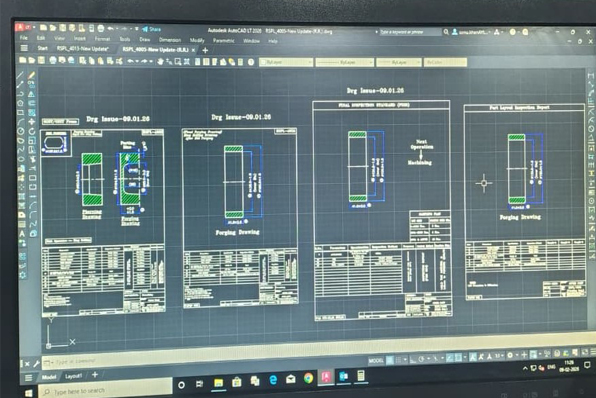
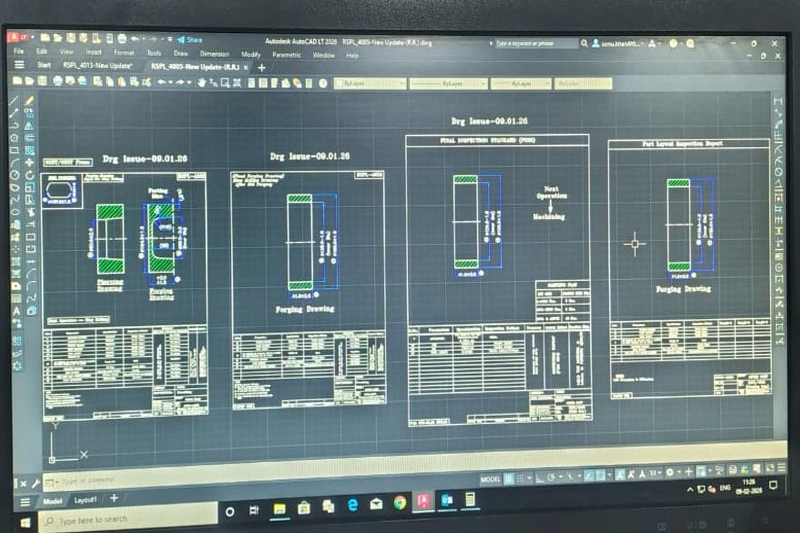
The die making process begins with designing the forged component. Engineers develop the die design using CAD software, ensuring accurate geometry and proper allowances.
A shrinkage allowance of approximately 1%–1.5% is considered to achieve the correct final dimensions after forging.
Step 2 – Die Block Preparation
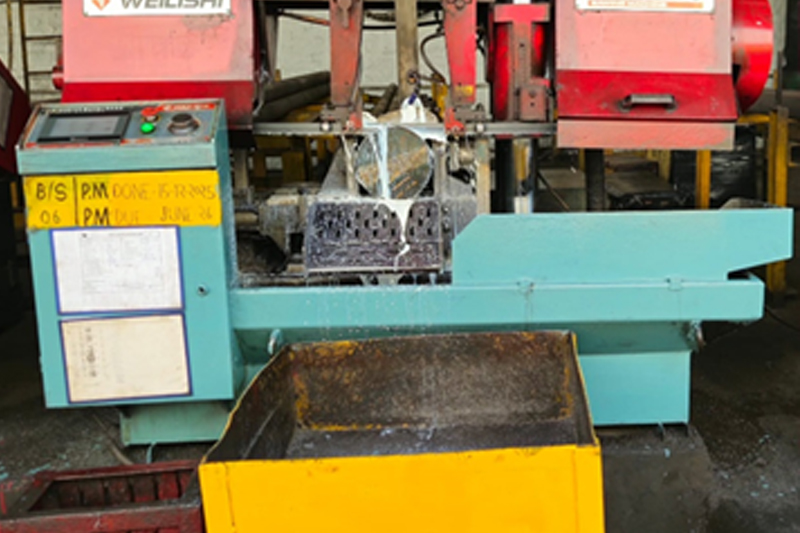
Once the design is finalized, the selected die steel is prepared and cut to the required size using horizontal bandsaws.
Common die steels used include:
These materials provide the strength and durability required for high-pressure forging operations.
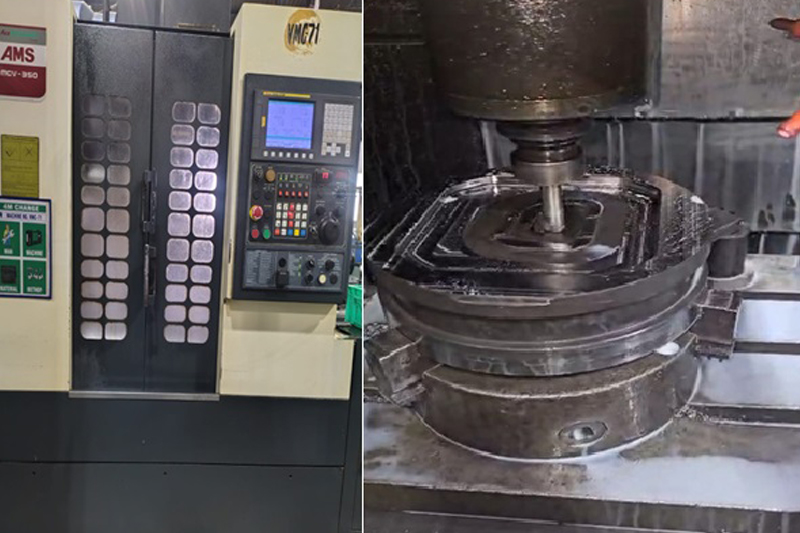
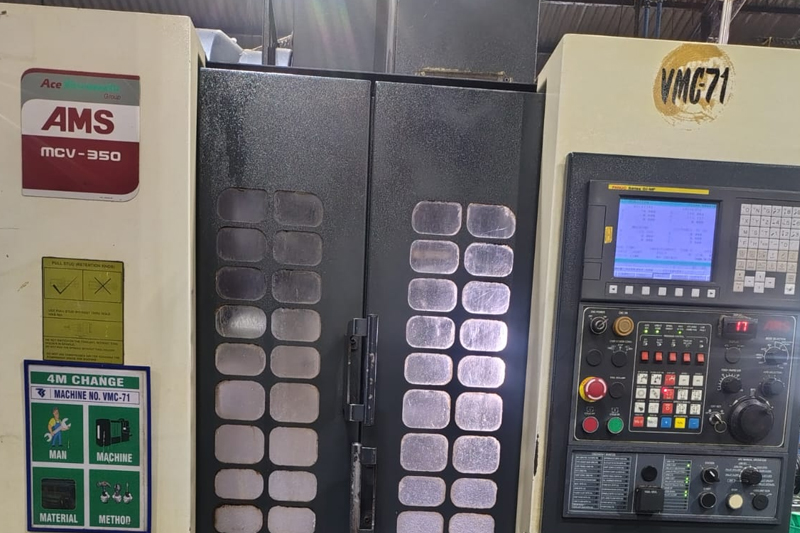
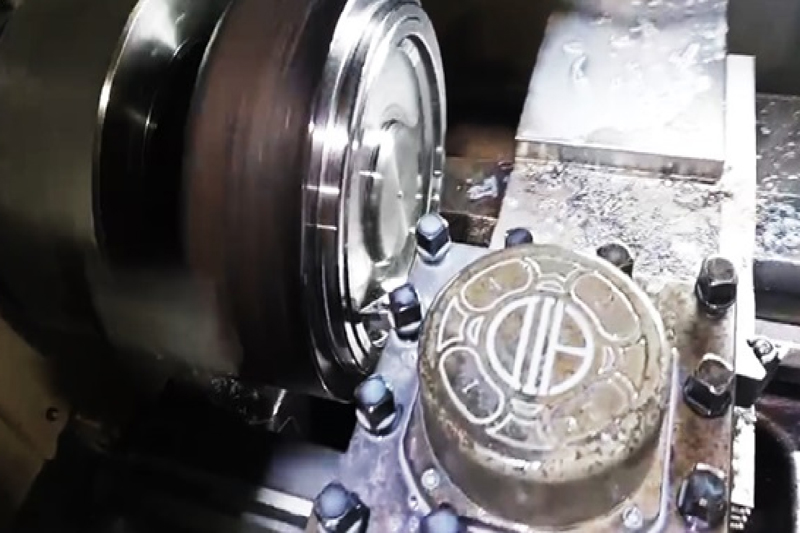
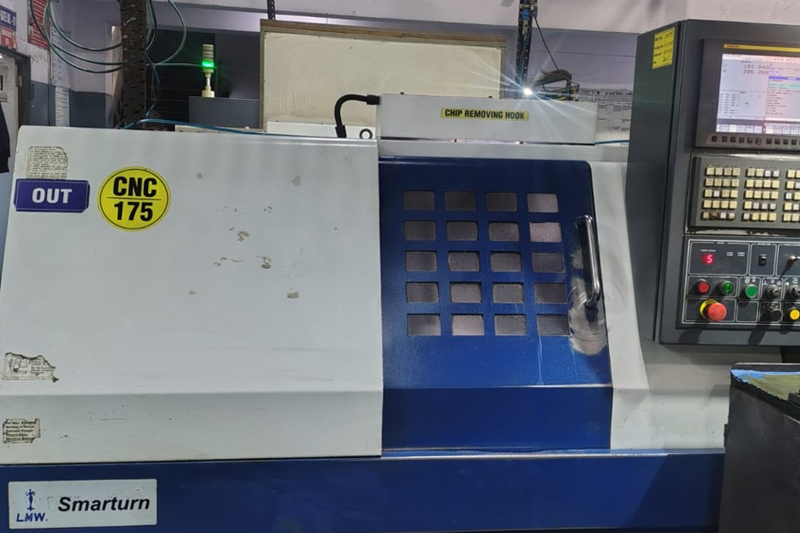
Step 3 – Die Cavity Machining
The die cavity is machined according to the component design. Two main types of dies are produced:
Step 4 – Die Identification
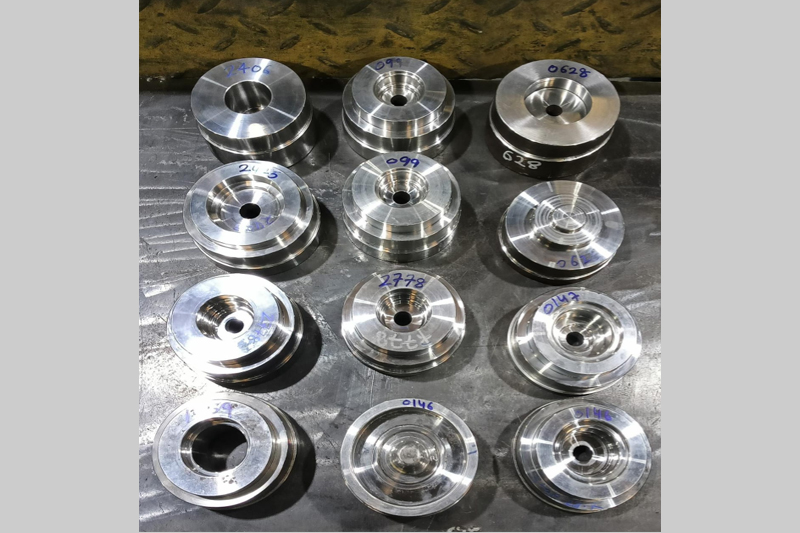
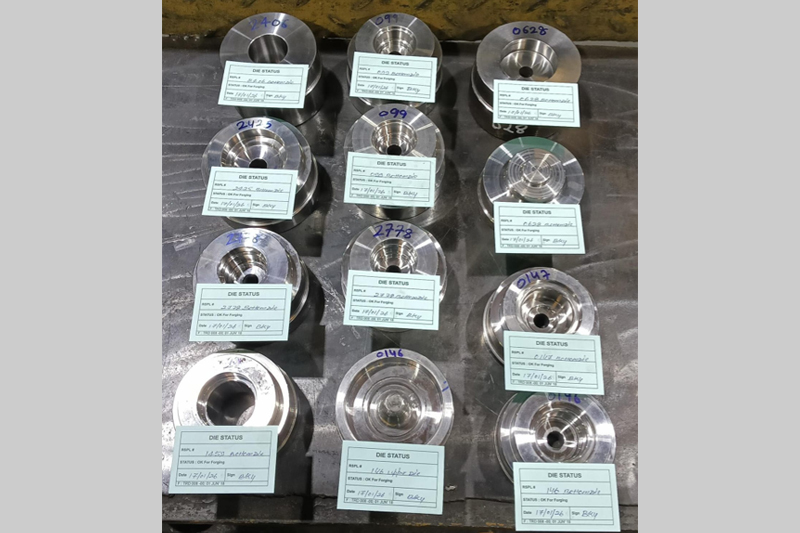
After preparation, each forging die is temporarily identified during the processing stage.
Part numbers are marked on the dies using permanent markers to ensure traceability throughout the manufacturing process.
Step 5 – Die Storage
Forging dies are stored with proper identification tags that include complete information about the die. This helps maintain organization, traceability, and efficient production management.
Step 6 – Die Inspection
Die inspection reports are generated both before and after production runs.
If any deficiency is found, the dies are re-machined and inspected again to ensure optimal performance and quality.
Step 7 – Die History Tracking
Die history sheets are regularly updated to maintain a complete record of die usage and production runs.
This helps determine the effective life of the die and ensures consistent forging quality.
The Core of Forging – Tool & Die Making
Forging tool and die making plays a crucial role in determining the quality of forged components. At Ramco Steels, our dedicated toolroom team and manufacturing engineering support ensure precision die making and reliable production.
Our commitment to advanced technology and skilled expertise enables us to deliver high-quality forged parts to customers across industries.

Corporate Office
Plot No. 75, Sector 25,